
How AI-driven decision-making is shaping Army modernization
AI-powered automation helps solve warfighter problems, improve force readiness and enable mission execution.

AI-powered automation helps solve warfighter problems, improve force readiness and enable mission execution.

“How do I do the same level of effort that I was applying before, but without those people in place?” Jeff Marshall, director of DISA's J9 asked. “The clear answer is automation and AI and machine [learning.]”

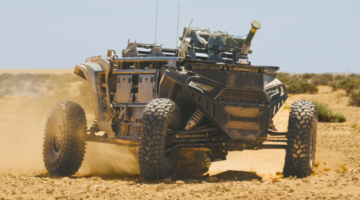
One commander, many robots: Fully autonomous ground vehicles are reshaping the battlefield.

Automation and artificial intelligence are here to stay and the human-machine interface will be key to accelerating OODA loops.
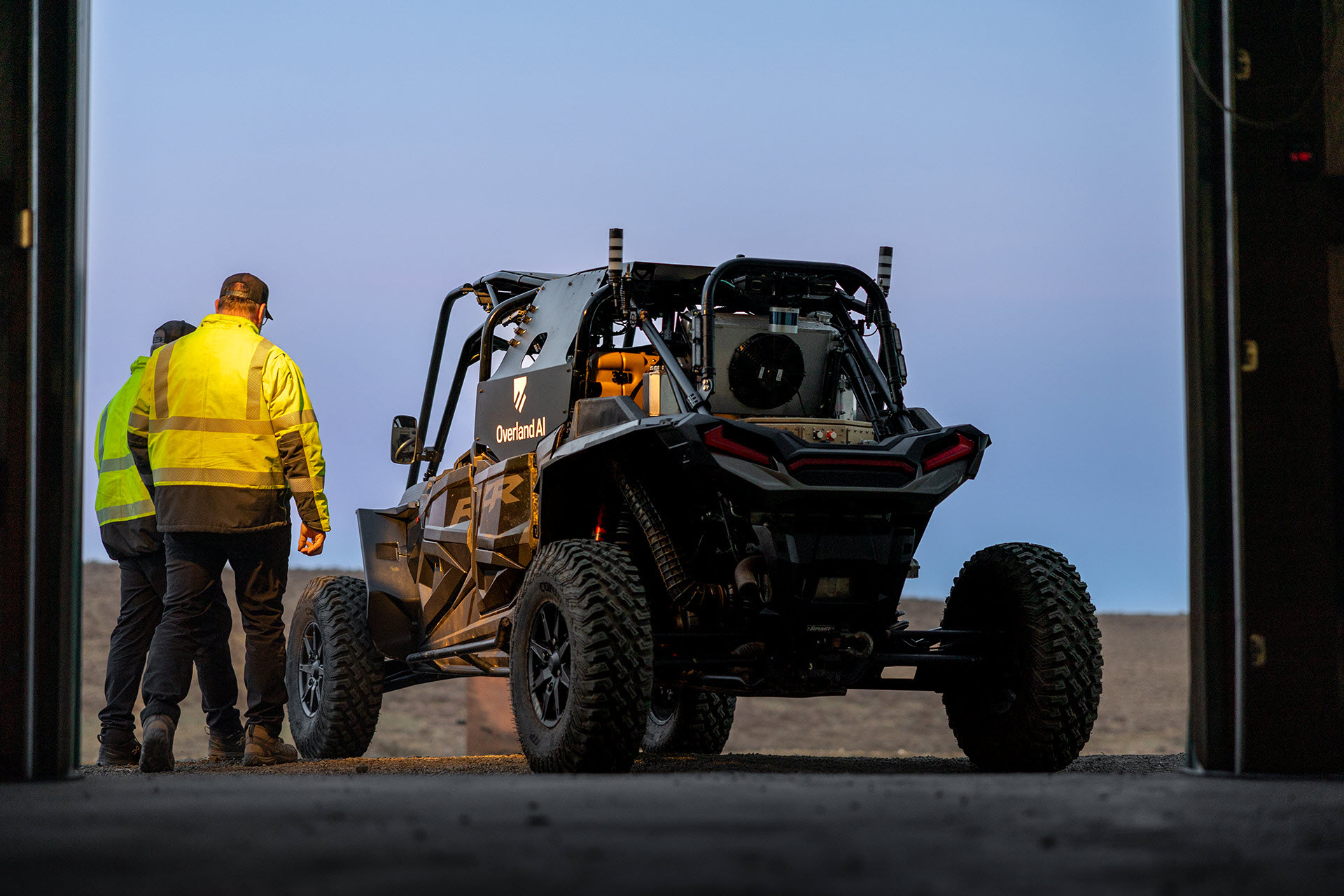
Improved UX and UI can enable smarter use of AI and automation, helping warfighters manage data-rich environments and make faster, more informed decisions.
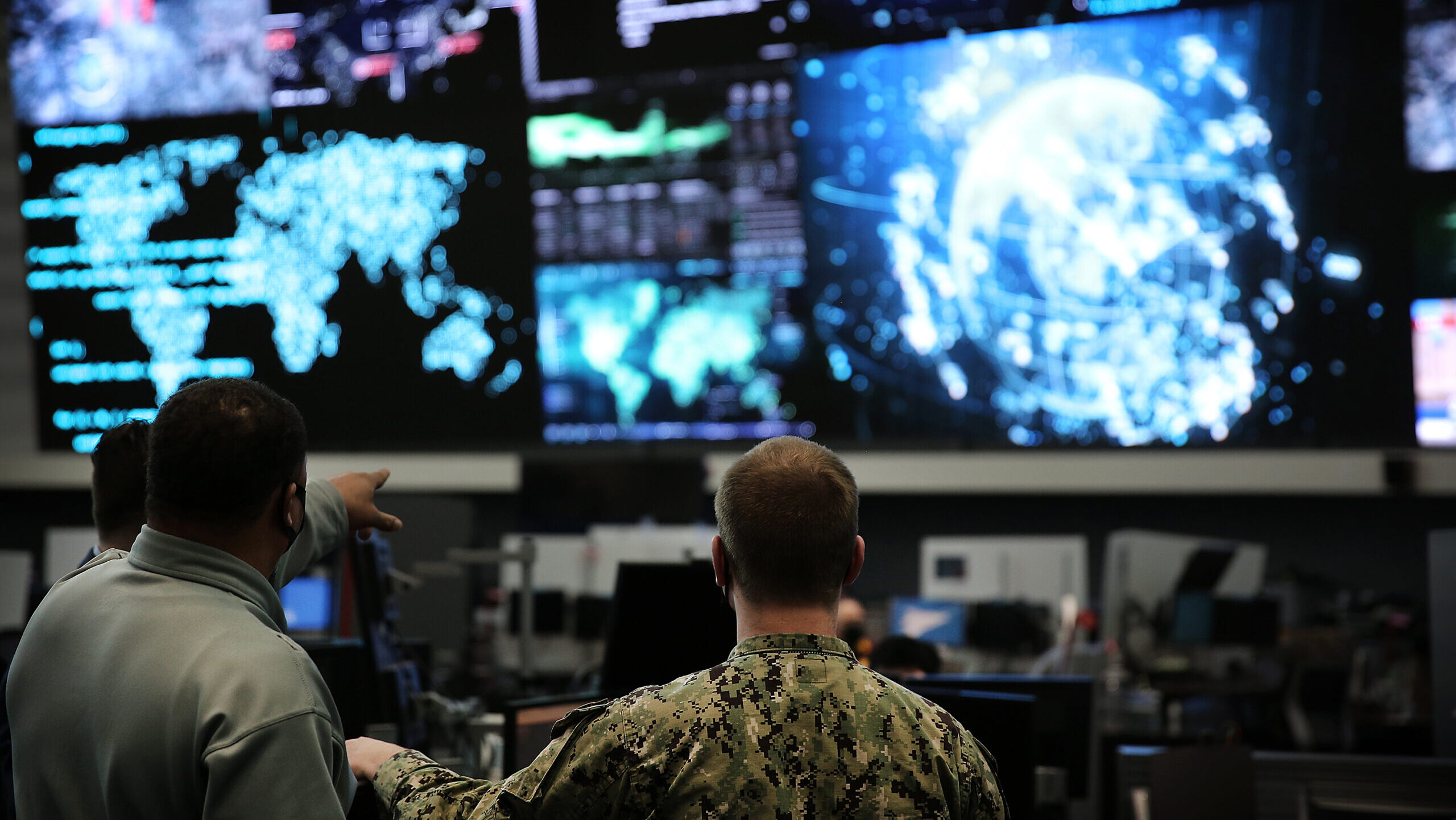
“The only way that we can actually do our job with the pacing threat of China is to actually add that automation capability," said Brian Hermann, cybersecurity and analytics director at DISA.

The company’s work on the Global Force Information Management System will be a step in helping the Army meet one of Secretary Christine Wormuth’s top objectives: ensuring it becomes data-centric and data-driven.

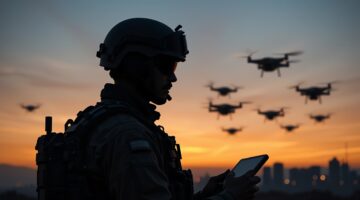
Decentralized Embodied Collaborative intelligence enables better reconnaissance, logistics and combat capabilities.
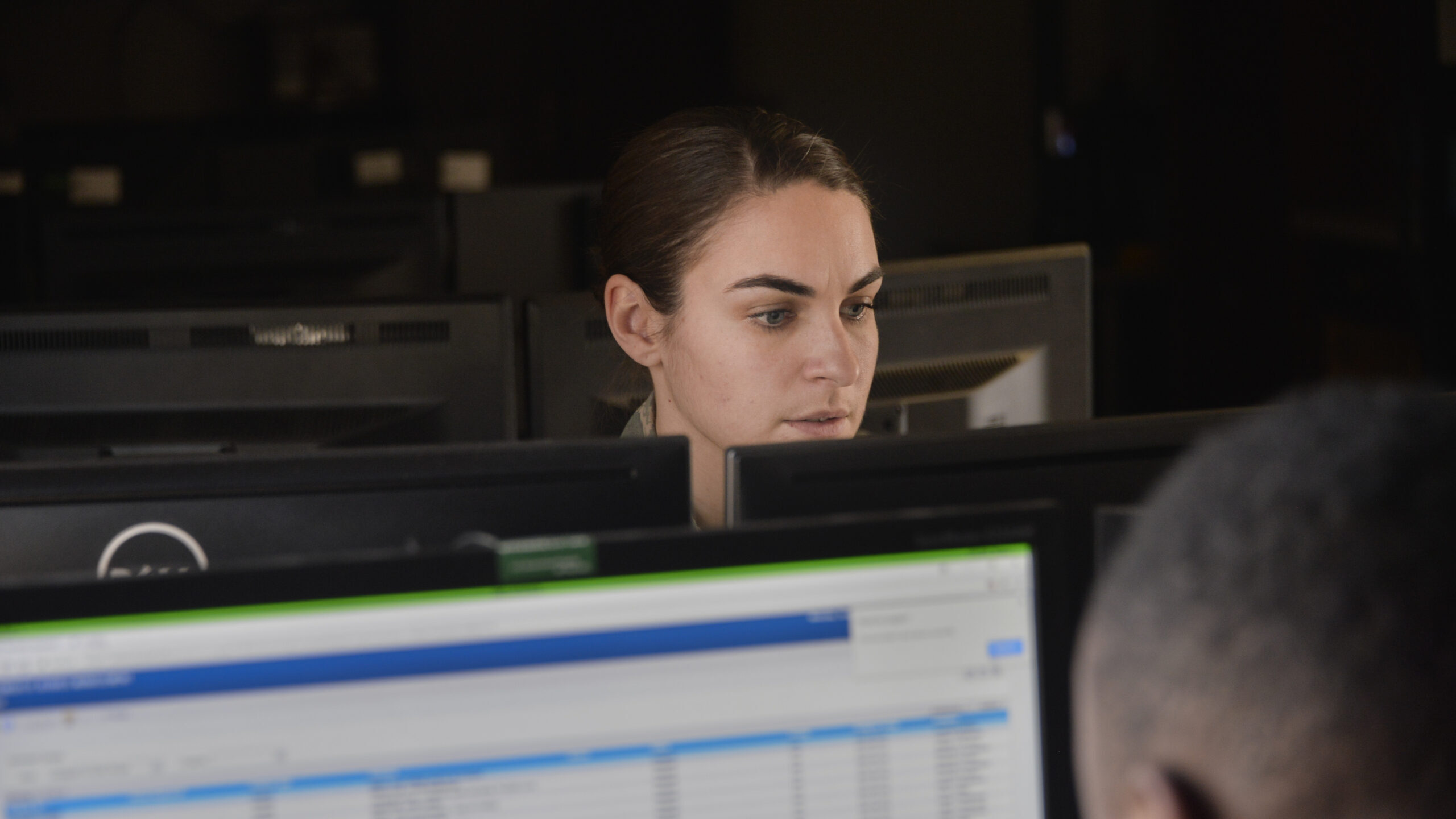
An Army senior research scientist offers his suggestions on what to look for in a security orchestration, automation and response (SOAR) tool.
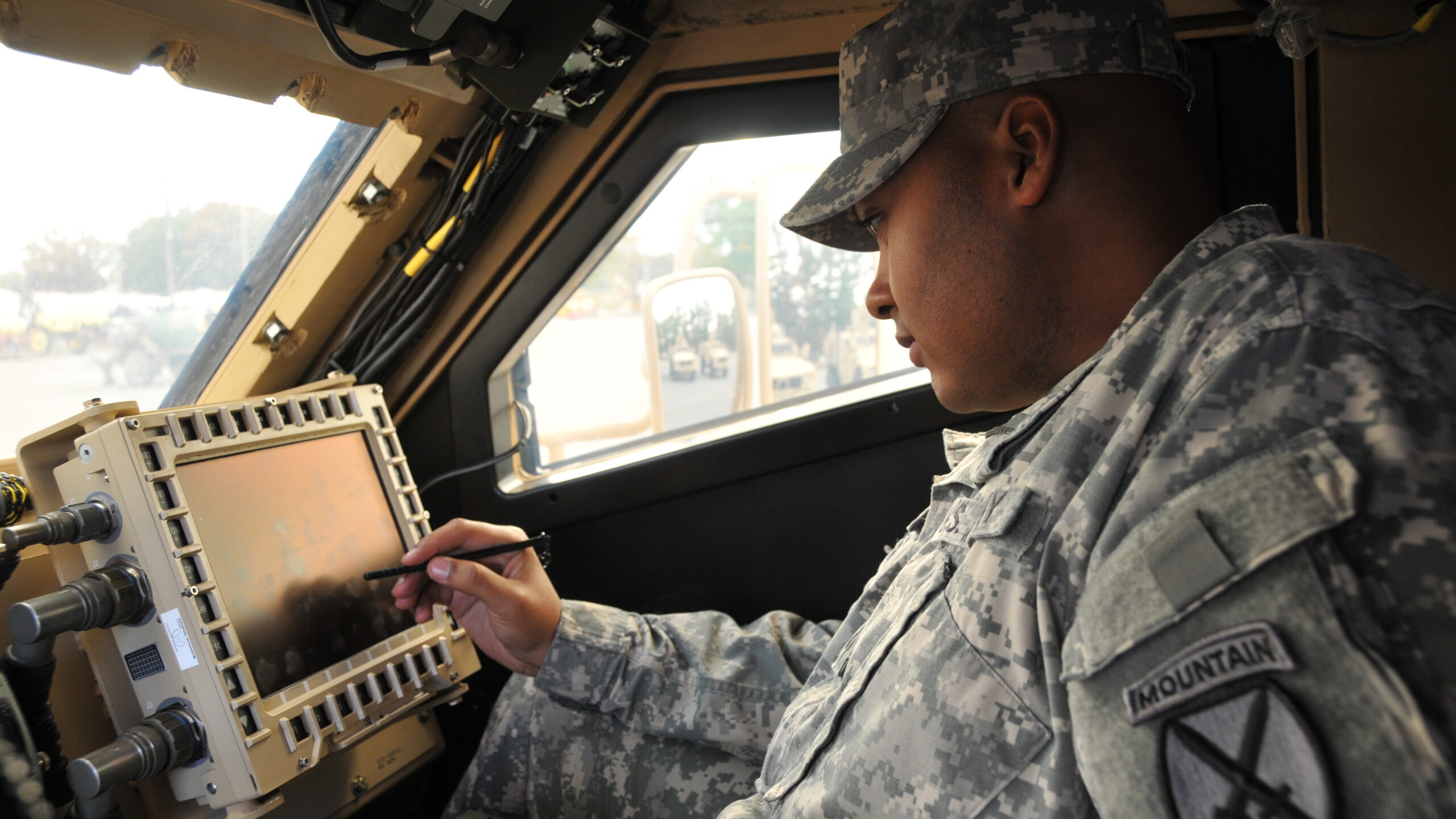
"If there's one thing DoD and industry have done, it's try a whole bunch of different tools over the last 10 to 12 years. What we have to do now is string them all together to show which ones work best for the capabilities the Army needs today and divest the ones that they don't need," Peraton VP Jennifer Napper said.


Rather than being a cost center or another roadblock, network automation is an enabler that handles mundane, repetitive tasks so that organizations can better embrace digital transformation.

OSCAL's goal is to enable compliance and security assessments to keep pace in complex, fast-moving, ever-changing DevSecOps environments.

A commitment to long-term operational value.
After just three years, there are now 200 teams across DoD doing DevSecOps, which has saved, on average, a year and $12.5 million per app it’s been used to launch, the Air Force's Chief Software Officer says. When you consider the number of apps, that's significant. And now there's a push to make DevSecOps resources available to JADC2.

"We're only as fast as our slowest process," said JAIC's Lane, who is applying AI, machine learning, automation, and other tech to boost DoD's efficiency.
DISA, using automation, is reducing the time it takes to deploy mission applications in DoD cloud from a year, months, or weeks to hours.
Network automation is a key enabler that lets Special Operations Command fight both terrorists and peer/near-peer competitors in the Great Power competition.